
SEO Strategies That Drive Real Results
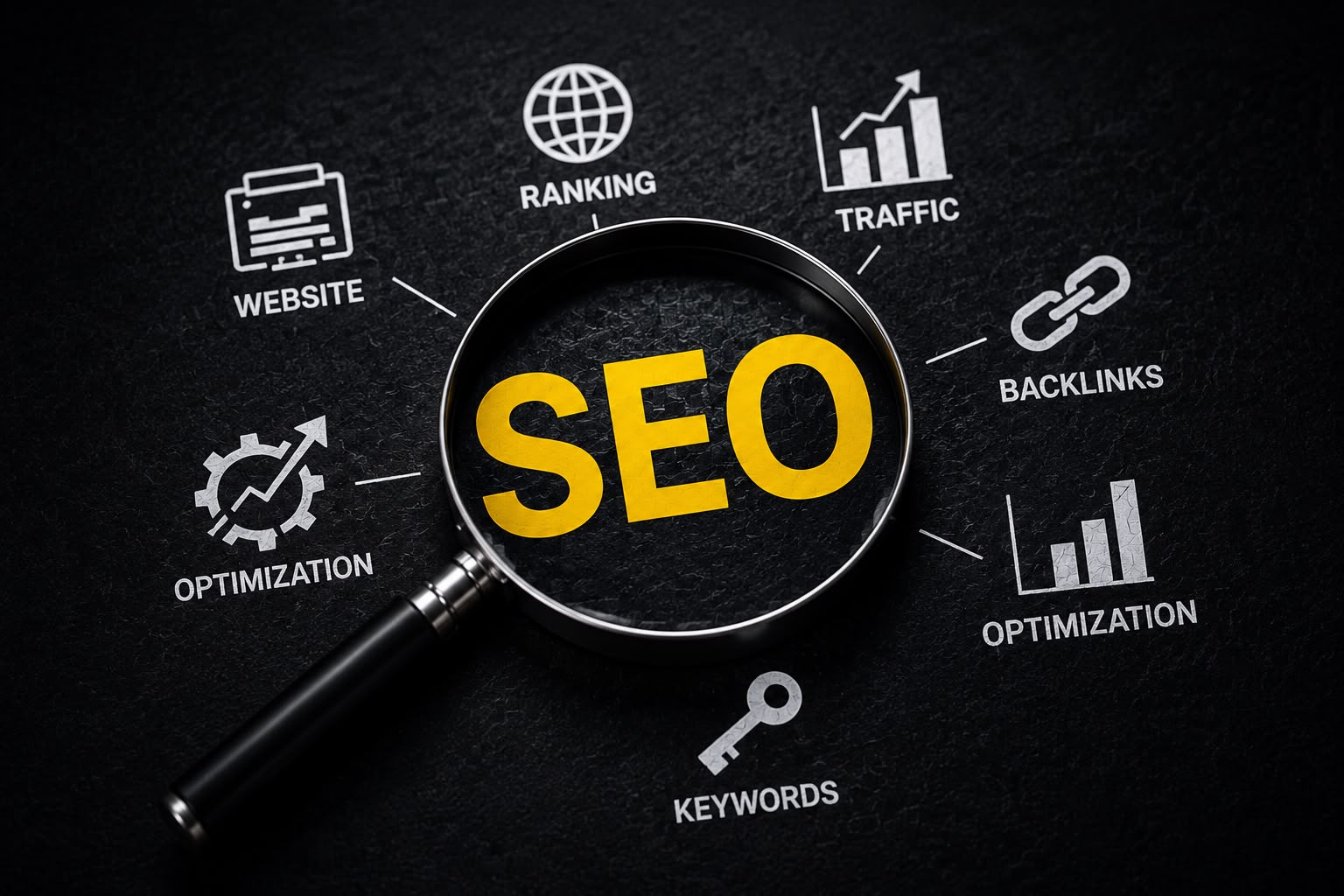
SEO Strategies That Drive Real Result
Introduction
When people need a product, service, or answer, search engines are often the first place they look. For a business, appearing in those search results can make a major difference. A website may look professional, but it will have limited value if the intended audience cannot discover it online. This is why Search Engine Optimization (SEO) has become an important part of digital marketing.
SEO is a collection of methods used to make a website easier to discover, understand, and use. It can help a business attract visitors without paying for every individual click. More importantly, a well-planned SEO strategy focuses on bringing people who are genuinely interested in what the business offers.As a Digital Marketing Strategist in Palakkad, I use effective SEO strategies to help businesses improve their online visibility and reach the right audience.
Find What Your Audience Searches For
Every SEO campaign should begin with understanding the audience. Before writing an article or optimizing a webpage, businesses need to know the words their potential customers use on Google.
This process is called keyword research. Instead of selecting keywords simply because they have high search volume, marketers should consider the purpose behind each search.
For instance, someone searching for “SEO meaning” may be learning about the topic, while a person searching for “SEO services for a business” may already be looking for professional help. Understanding this difference allows businesses to create content for different stages of the customer journey.
Using specific phrases and related search terms can also help a website attract a more relevant audienc
Give People a Reason to Stay
Getting a visitor to a website is only one part of the process. The content needs to make that visitor feel that they have found something useful.
Good SEO content should answer questions, solve problems, explain complicated topics, or provide practical information. A business can use blogs, guides, FAQs, tutorials, service pages, and case studies to share its knowledge.
Rather than writing only for search engines, content should be written for real people. Natural language makes articles easier to understand and more enjoyable to read. Relevant keywords can be included where they fit naturally, but forcing keywords into every paragraph can make the content repetitive.
Fresh ideas, original examples, and useful explanations can also help a website develop its own identity.
Make Every Page Easy to Understand
The structure of a webpage can influence both user experience and search visibility. On-page SEO involves improving elements that are directly present on a webpage.
Page titles should clearly describe the subject. Headings can divide information into manageable sections, while a clean URL can make the page topic easier to recognize. Meta descriptions can provide a short preview of the page in search results.
Images should also be properly named and given meaningful alt text when appropriate. Internal links can connect related articles and service pages, helping visitors move naturally through the website.
These small improvements, when applied consistently, can create a much stronger website structure.
Keep the Technical Side Healthy
SEO is not limited to written content. The technical condition of a website also matters.
Pages should load efficiently, function correctly on mobile devices, use secure connections, and remain accessible to search-engine crawlers. Broken links, incorrect redirects, indexing problems, and poorly organized pages can create unnecessary obstacles.
Mobile usability is particularly important because many people access websites from smartphones. A page that is difficult to read or navigate on a small screen may cause visitors to leave quickly.
Regular technical audits can help businesses identify and fix these issues before they become bigger problems.
Earn Trust Beyond Your Website
A website can also gain authority through references from other relevant websites. These references are known as backlinks.
Not every backlink has the same value. Links from websites that are relevant, reliable, and genuinely connected to the topic can be more useful than a large collection of unrelated links.
Businesses can encourage natural backlinks by producing original research, helpful resources, informative guides, and interesting industry content. Building relationships with relevant publishers and businesses can also create opportunities for genuine references.
The objective should be credibility rather than simply collecting links.
Check Whether Your Efforts Are Working
SEO decisions should be supported by data. Website owners can use tools such as Google Search Console and Google Analytics to understand how visitors discover and interact with their websites.
Useful measurements include organic visits, search impressions, clicks, keyword performance, engagement, enquiries, and conversions.
These numbers can reveal which pages attract attention and which areas require improvement. SEO is an ongoing process, so reviewing performance regularly allows businesses to adjust their strategy based on actual results.
Conclusion
Successful SEO strategies are built through many connected activities rather than one single technique. Understanding audience searches, producing genuinely useful content, improving webpage structure, maintaining technical quality, earning relevant backlinks, and studying performance data can all contribute to stronger organic visibility.
SEO takes patience because meaningful growth usually develops over time. However, when a business consistently improves its website with the needs of its audience in mind, search traffic can become a valuable source of long-term growth.
The real purpose of SEO is not simply to appear at the top of a search page. It is to help the right people discover a business, find useful information, and take the next step with confidence.